Barefoot and Peripheral Neuropathy
People ask about this one a lot. And they ask carefully, like they already half-expect someone to tell them it’s off the table forever. So let’s actually talk about it properly. Because the answer is way more nuanced than “never go barefoot if you have neuropathy.”
The real picture is more complicated, more hopeful, and a lot more useful than a blanket no.
What peripheral neuropathy actually is, in plain English
Peripheral neuropathy means nerve damage in the extremities, most often the hands and feet. The word “peripheral” just means away from the centre of the body. Your central nervous system is the brain and spinal cord. Everything branching out from there is peripheral. When those outer nerves get damaged, the signals they send get muffled, distorted, or cut off.
It’s not one condition. It’s a category. There are over a hundred types. The causes range widely:
- Diabetes: The most common cause. High blood sugar over time damages the small blood vessels that feed the nerves. Usually starts in the feet and works upward
- Chemotherapy: Several chemo drugs are toxic to peripheral nerves. The condition is so common it has its own name, CIPN (chemotherapy-induced peripheral neuropathy)
- Alcohol: Chronic heavy use depletes B vitamins and directly damages nerve tissue
- B12 deficiency: This one gets missed a lot. B12 is essential for the myelin sheath that protects nerves. A prolonged deficiency causes real damage
- Autoimmune conditions: Guillan-Barré, lupus, rheumatoid arthritis and others can involve peripheral nerve damage
- Idiopathic: In a solid chunk of cases (around 30%), no clear cause is found. The nerves are damaged and the why stays unknown
What all of these have in common is that the sensory information from your feet gets altered. Sometimes that means numbness. Sometimes tingling. Sometimes burning pain. Sometimes a weird combination of all three, which is confusing but also real. Neuropathy is strange like that.
Why reduced sensation in the feet is actually a concern worth taking seriously
The worry isn’t barefoot itself. The worry is that reduced sensation means your feet can’t do their normal job of warning you when something is going wrong.
Think about what healthy foot sensation does for you every single step. It tells you when you’ve stepped on something sharp. When a surface is too hot. When something is rubbing in a way that’s about to cause a blister. When you’re pressing unevenly and heading toward a pressure injury. All of that information is your early warning system.
When neuropathy muffles or removes those signals, you can step on something sharp and not feel it. You can stand on hot paving in summer and not notice until you look down. A blister can form, pop, and get infected before you’ve registered any discomfort. That’s not catastrophising. That’s just the real mechanism.
Cuts and Puncture Wounds
Thermal Injuries
Pressure Injuries and Blisters
Infection Risk
These are real risks. Naming them clearly isn’t meant to scare you off. It’s meant to give you the actual picture so you can make smart decisions rather than operating on vague anxiety or vague reassurance.
What you can actually do, and why it's more than you might think
“You have neuropathy, so never go barefoot” is the shortcut version. The more useful version is: your risk profile is specific to you, your surfaces matter enormously, and supervised barefoot time on the right surfaces can genuinely help.
Here’s what the evidence and clinical experience actually support for people with peripheral neuropathy:
- Clean, smooth, known indoor surfaces: Your own bathroom floor, soft carpet, clean hardwood you’ve walked a hundred times before. These are low-risk environments where barefoot time builds foot muscle strength without the hazards of outdoor unknowns
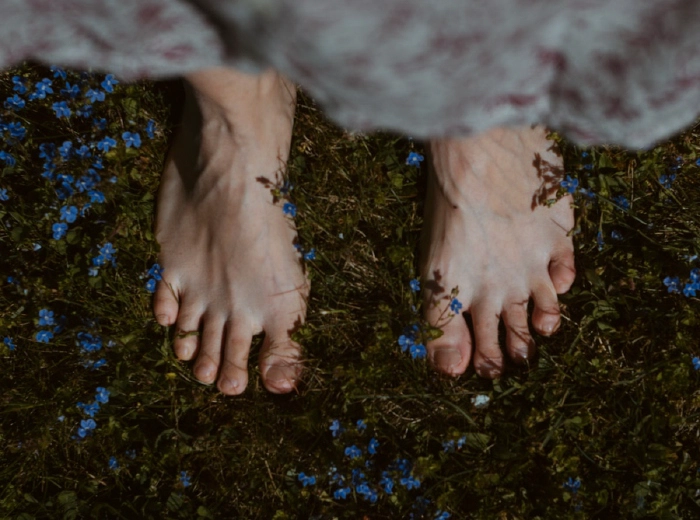
- Soft checked garden grass: If you’ve inspected the grass yourself and there’s no debris, short barefoot sessions on soft ground can provide gentle sensory stimulation and encourage the foot muscles to fire properly
- Therapeutic barefoot time: Some physiotherapists and podiatrists actively recommend short barefoot sessions on safe surfaces as part of managing mild to moderate neuropathy, specifically because movement and sensory input can support circulation and balance
- Daily foot inspection made natural: One of the most consistently recommended things for anyone with neuropathy is daily foot inspection. Going barefoot at home automatically means you’re looking at your feet more, which is genuinely useful
- Circulation support through movement: The foot’s natural muscular pump, activated when you walk without a rigid sole, helps move blood through the extremities. For people managing circulatory changes alongside neuropathy, this is a real consideration
How to go barefoot smart when you have neuropathy
Smart barefoot with neuropathy looks different from fully-sensate barefoot. It’s slower, more deliberate, more surface-specific. But it’s not absent. Here’s the approach that makes sense.
Get Properly Assessed First
Start With Your Own Floor
Always Inspect Before You Step
Check Temperature With Your Hands
Inspect Your Feet Every Single Time
Small Doses, Always On Known Surfaces
Which surfaces make sense and which ones don't
Not all barefoot situations are equal. The risk isn’t barefoot as a concept, it’s specific surface conditions combined with reduced sensation. Here’s a lowkey practical breakdown:
- Clean smooth indoor floors (yours): Lowest risk. You know the surface. You control it. You can check temperature easily. Perfect starting ground
- Soft indoor carpet: Great for gentle foot strengthening. Low temperature risk, very low debris risk, cushioned if balance is also affected
- Soft clean garden grass (self-inspected): Good for gentle sensory stimulation and natural foot muscle work. Only ever after you’ve walked and checked it yourself first. Never after rain when visibility of hazards drops
- Clean bathroom floor: Fine for short sessions after showering, which naturally puts foot inspection into the routine
- Any outdoor path or pavement: Too many unknown hazards. Debris, uneven surfaces, temperature variation, biological matter. Not worth it without full sensation giving you real-time feedback
- Public shared spaces (gyms, pools, changing rooms): Infection risk is real, and you can’t control or inspect these surfaces. Footwear always here
- Hot sand or summer paving: Heat injury risk is significant when temperature perception is reduced. Hands check first, or wear foot protection
- Anywhere you can’t see the ground clearly: Tall grass, dim conditions, leaf litter, gravel paths. These are where undetected punctures happen
Peripheral Neuropathy and Barefoot FAQs
Neuropathy and barefoot: smaller doses, smarter choices, not zero
Peripheral neuropathy changes how you need to approach barefoot time. It doesn’t automatically end it. The difference between “never go barefoot” and “go barefoot thoughtfully on the right surfaces” is enormous, and it’s a difference that matters for your quality of life, your foot strength, and your day-to-day wellbeing.
The smart approach is this: get a proper assessment so you actually know your sensation picture. Start indoors on surfaces you know and control. Build the daily foot inspection habit until it’s second nature. Use your hands to check temperature before stepping. Never step on a surface you haven’t visually checked first.
Small doses. Known surfaces. Eyes doing the job your feet used to handle automatically. That’s it. That’s the whole framework.
And if you can find a podiatrist or physiotherapist who gets it, one who understands both the real risks and the real value of keeping your feet active and engaged, that relationship is worth a lot. The what podiatrists actually say article gives you a sense of where foot specialists actually land on this.
Keep reading:
- Barefoot and health conditions - the full guide to navigating barefoot practice with various medical situations
- Barefoot walking with diabetes - if neuropathy is diabetes-related, this one goes deeper on the specific picture
- Foot strengthening exercises - building foot muscle strength benefits everyone, especially people managing neuropathy
- Barefoot at home - the safest starting point for anyone, and especially for those with reduced sensation
- What podiatrists say about barefoot - where foot specialists actually stand when you talk specifics rather than generalities
- Barefoot benefits - the full picture on what healthy barefoot practice does for your body