Barefoot Socks
You’ve started going barefoot at home. Things are good. Your feet are waking up, your balance is sharper, and you’re genuinely looking forward to stepping on that cold kitchen tile in the morning. Then January hits. The floor is the temperature of a small glacier. Someone buys you a pair of toe socks as a joke gift.
The joke’s on them. Toe socks are actually kind of brilliant.
Barefoot socks, toe socks, grip socks: what's the actual difference?
The barefoot sock world has three main players, and they do very different things:
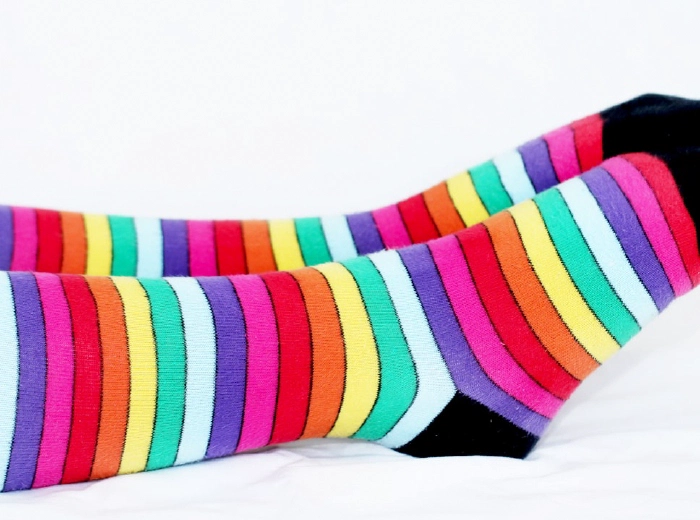
- Toe socks (five-toe socks): Each toe gets its own pocket. Your toes can spread naturally and move independently, the way they do when you’re completely barefoot. The fabric is thinner than a regular sock and hugs the foot without adding much. These are the closest thing to barefoot you’ll find in sock form
- Grip socks: Usually regular shaped but with rubber dots on the sole for traction. Popular for yoga, pilates, and slippery floors. Toes stay together so you lose some spread, but they handle slippery surfaces brilliantly and give decent sensory feedback
- Barefoot socks (thin sole socks): Ultra-thin, minimal, mostly used inside barefoot shoes to keep feet clean without adding bulk. These aren’t for walking barefoot on the floor, they’re a shoe thing. Different category entirely
For most people getting into barefoot living, the first two matter most. Toe socks for foot freedom, grip socks for safety. The ultra-thin ones are their own conversation.
Barefoot vs toe socks vs regular socks vs slippers
Let’s not sugarcoat this. If you want the real benefits of going barefoot at home, nothing beats actual barefoot. Your skin touches the floor. Every temperature change, every texture, every slight surface shift sends a clear signal to your nervous system with zero interference. That’s the gold standard.
But barefoot isn’t always realistic. And not all alternatives are equal:
Fully barefoot
Toe socks
Grip socks
Regular socks and slippers
The ranking is clear: barefoot, then toe socks, then grip socks, then everything else. Knowing this makes the daily choice easy depending on what your floor and your feet actually need.
When toe socks genuinely earn their place
Toe socks aren’t an all-day-every-day thing. They’re a tool. Here’s when they earn it:
- Cold floors in winter: The biggest use case by far. When stone or tile floors drop to genuinely uncomfortable temperatures, toe socks give you warmth without the foot-numbing effect of slippers. Your toes still move. Your arch still works. You stay warm without losing everything
- Slippery surfaces: Hardwood or laminate that your socked feet slide across? Toe socks with grip dots on the toe area sort that without going full slipper. Particularly useful first thing in the morning when your proprioception hasn’t fully switched on yet
- Yoga and pilates: Grip socks are standard practice for home yoga for good reason. Enough connection to the mat, no outdoor shoes needed. Toe socks with some grip work brilliantly for home practice
- During barefoot transitions: Just starting out after years of wearing cushioned shoes? Your foot muscles might get tired before you’d like. Toe socks let you dial back slightly without killing the sensory input completely. Think of them as “barefoot with slightly reduced volume”
- Hygiene and social situations: Sometimes you want to stay barefoot in spirit but the floor is what it is and you have people round. Toe socks: the socially presentable barefoot substitute
What to actually look for in toe socks
Not all toe socks are equal. Some are thick and padded and basically defeat the purpose. Some are so thin they fall apart in three washes. What actually matters:
- Thin fabric: The thinner the better. You want sensory transmission, not insulation. Look for socks marketed as “thin”, “lightweight” or made specifically for barefoot shoe use
- Individual pockets that fit your actual toes: Wrong sizing means the pockets don’t align with your toes, which feels worse than regular socks. Try brands that offer half sizes or toe-length adjustments
- Grip when you need it: For yoga or slippery floors, look for silicone grip patterns on the sole. For carpet or already non-slip floors, skip the grip and go thinner
- Natural fibres: Cotton and bamboo breathe better than full synthetic. Your feet will make this clear after about an hour
The transition to toe socks feels strange at first. Your toes simply aren’t used to having their own space. Give it a few days. After about a week most people can’t imagine going back to regular socks. Odd when you think how long normal socks have been the default.
If foot health is your goal, toe socks pair naturally with the barefoot at home routine. Use them when you genuinely need them, go fully barefoot whenever you can, and let your feet get increasingly comfortable doing what they were built to do. And if the cold floor fear is still in your head, the cold floors article puts that one to rest properly.
Toe Socks and Barefoot Socks: FAQs
Give your toes the space they deserve
Toe socks aren’t a betrayal of the barefoot lifestyle. They’re an extension of it. A way to carry the principle into situations where full barefoot just isn’t the right call. Cold January mornings on stone tiles. Yoga on a slippery living room floor. The week your floor is freshly cleaned and you’re oddly precious about it.
What matters is that your toes stay separate, your foot stays active, and your sensory system keeps getting input. Whether that’s 100% barefoot or 85% barefoot in a thin five-toe sock, you’re ahead of the slipper crowd by a mile.
Go deeper:
- Barefoot at home: the full guide to making barefoot your home default
- Barefoot cold floors: the science on cold tiles and why they won’t make you ill
- Foot strengthening: what your feet actually need to get genuinely strong
- Barefoot transition guide: ready to take the barefoot habit beyond home?