Foot Pain Guide
Your feet hurt. Maybe it’s a sharp stab in the heel every morning. Maybe it’s a dull ache in the ball of your foot after a long walk. Maybe your toes feel like they’re staging a mutiny. Whatever it is, you want answers, and you want them without wading through medical jargon.
Let’s figure out what’s going on down there.
The foot pain map
Step one to figuring out foot pain is pinpointing WHERE it hurts. Different spots usually point to different problems. Here’s your quick cheat sheet:
Heel Pain
Ball of Foot
Arch Pain
Toe Pain
Why feet hurt (most of the time)
Real talk: the vast majority of foot pain comes from a pretty short list of causes. Here they are, ranked by how often they’re the actual culprit:
1. Bad Shoes (The Champion of Foot Pain)
This is the big one. Narrow toe boxes, elevated heels, rigid soles, they squish, tilt, and weaken your feet over years. Most foot pain is essentially your feet saying “I can’t take this anymore.” The solution isn’t painkillers, it’s changing what you put on your feet.
2. Weak Foot Muscles
Modern shoes do all the work for your feet. Arch support, cushioning, stability features, they’re like a wheelchair for your foot muscles. Over time, those muscles just waste away. Weak muscles can’t handle the demands of walking, standing, and moving, so they start screaming at you.
3. Overuse Without Conditioning
Went on a 10-mile hike after sitting on a couch for six months? Started running in minimalist shoes without any transition? Your feet aren’t fragile, but they need progressive loading, just like any muscle group. Too much too fast = pain.
4. Biomechanical Issues
Overpronation, supination, flat feet, high arches, these patterns change how force travels through your feet. Some of it is genetic, but a lot of it builds up from years of wearing shoes that mess with natural foot mechanics.
5. Medical Conditions
Arthritis, diabetes, gout, nerve conditions, these are the ones where you actually need a doctor. If your foot pain comes with swelling, redness, numbness, or doesn’t improve with rest and basic care, it’s time to see a pro.
Transition pain vs. real pain
If you’re moving toward barefoot or minimalist shoes, you WILL experience some discomfort. But there’s a huge difference between adaptation and injury:
Normal Transition Stuff
Warning Signs, Slow Down
Rule of thumb: adaptation feels like general soreness (like after a good gym session). Injury feels like something specific and wrong. If you’re not sure, rest it and see a professional. There’s no trophy for pushing through real pain.
Home remedies that actually work
For your everyday foot pain (not the red-flag stuff above), these simple moves genuinely help:
- Rest (but not too much): Take a break from whatever’s causing pain, but don’t stop moving entirely. Complete rest actually weakens your feet more. Find the sweet spot between activity and recovery
- Ice: 15-20 minutes on, at least 45 minutes off. Works great for inflammation. Frozen water bottle rolled under your foot = massage + ice combo
- Stretching: Calf stretches, plantar fascia stretches, toe stretches. Tight calves are behind a shocking amount of foot pain. Stretch them daily
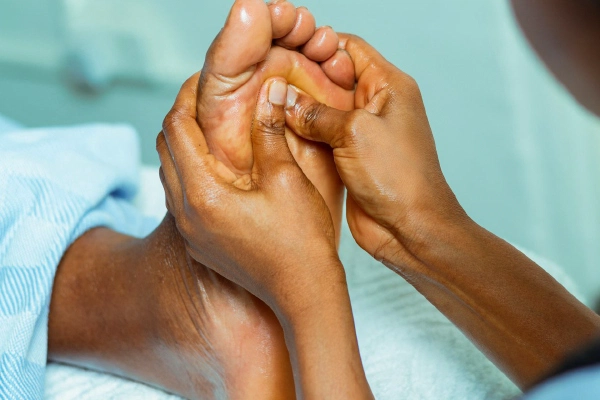
- Massage: Roll a tennis ball or lacrosse ball under your foot. Work the arch, the heel area, and the ball of the foot. Hurts so good
- Warm soaks: After the acute phase, warm water with Epsom salts increases blood flow and helps with healing. 15-20 minutes, as hot as comfortable
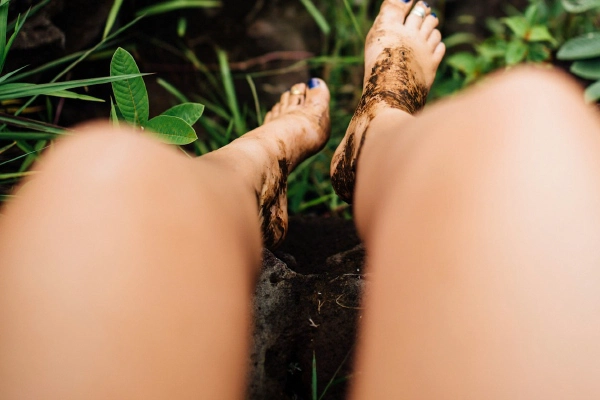
- Barefoot on grass: Sounds too simple to work, but walking on soft grass activates foot muscles gently while the uneven surface provides natural massage. Start with 10-15 minutes
Preventing foot pain for good
The best way to deal with foot pain? Not having it in the first place. Here’s how:
- Ditch restrictive shoes: Move to shoes with wide toe boxes, zero drop, and flexible soles. Your feet will strengthen naturally when they’re allowed to work
- Build foot strength progressively: Walk barefoot on varied natural surfaces, grass, pebbles, sand, forest trails. Start easy and gradually increase. This is the single best thing you can do for long-term foot health
- Stretch daily: Calves, Achilles, plantar fascia, toes. Takes 5 minutes. Prevents hours of pain
- Listen to your feet: Pain is information. If something hurts during an activity, modify or stop. If a shoe causes discomfort, it’s a bad shoe, period
- Toe exercises: Toe spreads, toe curls, marble pickups. Keep those little muscles active and strong. 5 minutes while watching TV
- Gradual changes: Any change in footwear or activity level should be progressive. The 10% rule (increase weekly volume by no more than 10%) applies to feet just like it does to running mileage
Foot Pain FAQs
Your feet are talking. Listen.
Foot pain isn’t something you just gotta live with. It’s your body sending a super clear message that something needs to change, usually what’s on your feet or how you’re using them.
The good news? Most foot pain responds crazy well to simple changes: better shoes, barefoot time on natural surfaces, basic strengthening exercises, and some patience. Your feet are ridiculously resilient when you give them what they need.
Stop ignoring them. Start listening. The answer is usually simpler than you think.