Runner with minimalist shoes
Run like nature intended

Minimalist Running

Running in those chunky cushioned moon boots might seem like the smart move, but what if we’ve been doing it wrong all along? Minimalist running strips away all the fancy tech and gets you back to basics. Running the way your body was actually designed to do it. No gimmicks, no nonsense, just pure natural movement.

Less shoe. More you. Waaay better running.

The basics

What's minimalist running?

Minimalist running is about ditching those overbuilt, heavily cushioned bricks and going for something that lets your feet actually work. We’re talking thin soles, zero or low drop, and a wide toe box that doesn’t squeeze your toes together like sardines in a can.

The idea is dead simple: your feet are absolute masterpieces of biological engineering. They don’t NEED all that extra padding and support. They need freedom to move, flex, and do their job properly. Your feet were running before Nike was even a thought, bro.

Better form

Minimalist running naturally encourages a forefoot or midfoot strike instead of heel striking. Less impact, more efficiency. Your joints will literally thank you.

Stronger feet

Your feet actually have to WORK when you run minimalist. All those tiny muscles wake up from their decade-long nap and get stronger. Rock solid foundation, for real.

Lower injury risk

Studies show that once you’re adapted, minimalist running can actually reduce common running injuries by letting your body do what it was designed to do. Less injury, more miles. Sign us up.
What the research says

The science behind it

Our ancestors ran for thousands of years without fancy running shoes. They literally HAD to. Survival depended on it. Chase the deer or go hungry, you know? And guess what? Their feet were healthier, stronger, and way more functional than ours today.

Here’s the kicker: research shows that those traditional cushioned running shoes everyone swears by can actually weaken your foot muscles and mess up your natural gait patterns. Meanwhile, minimalist running has been linked to:

  • Stronger intrinsic foot muscles
  • Improved proprioception and balance
  • Reduced impact forces when done correctly
  • Better ankle and arch stability
  • More efficient energy transfer
Important: Transition slowly!
Yo, don’t just throw away your cushioned shoes and run a 10K tomorrow. Your feet need time to adapt. Rushing this process is the absolute fastest way to get injured. Start small, be patient, and listen to your body. We mean it.
Taking it step by step

How to transition safely

Transitioning to minimalist running isn’t a sprint, it’s a marathon (pun very much intended). Here’s how to do it without absolutely wrecking your feet:

Phase 1: Walking (Weeks 1-4)

Start by just walking in minimalist shoes. Yeah, walking, not running. Let your feet get used to having less support and actually feeling the ground beneath them. Walk around the house, to the store, on your daily errands. Those muscles need to wake up from their long hibernation.

15-30
Minutes per day
5-7
Days per week
4
Weeks minimum

Phase 2: Light jogging (Weeks 5-8)

Once walking feels totally natural, start with short, easy jogs. We’re talking 5-10 minutes max, on soft surfaces like grass or dirt trails. Focus on your form. Light, quick steps with your feet landing under your body. Think “ninja” not “elephant.”

Phase 3: Building distance (Weeks 9-16)

Gradually increase your running time by about 10% per week. Mix minimalist running days with your regular shoes if you’re still wearing them. Your feet will tell you when they’re ready for more.

Phase 4: Full transition (Months 5-12)

Most people need 6-12 months to fully transition. That might seem like forever, but remember, your feet have been wrapped in cushioned shoes for YEARS. They need time to remember how to be feet again. Trust the process. Your future self is already thanking you.
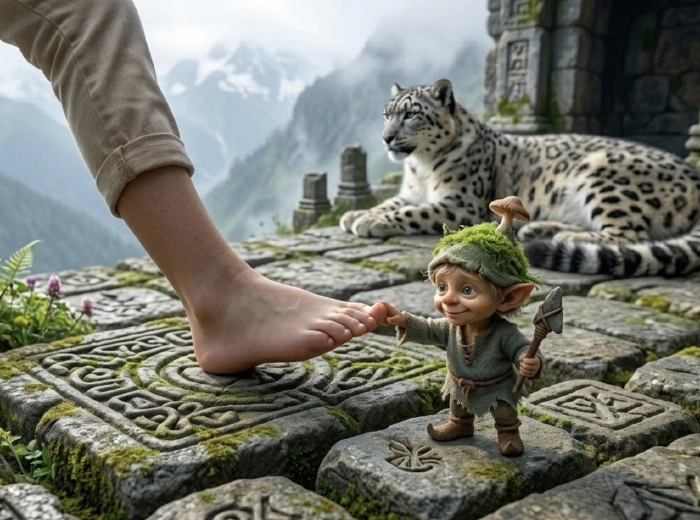
Running technique

Perfecting your form

Minimalist running requires a whole different technique than heel-strike running. It’s like relearning how to move, but in the best way possible. Here’s what to focus on:

Land softly

Think “quiet feet.” You should barely hear yourself landing. If you sound like a stampede of elephants, you’re slamming into the ground. Ease up!

Forefoot/midfoot strike

Your forefoot or midfoot should touch down first, not your heel. This uses your foot’s natural shock absorption system.

Increase cadence

Aim for about 180 steps per minute. Shorter, quicker steps mean less impact and better efficiency.

Stay upright

Lean slightly forward from your ankles, not your waist. Keep your posture tall and relaxed.
Gear guide

Choosing minimalist shoes

Not all “minimalist” shoes are created equal. Some just slap the label on and call it a day. Here’s what ACTUALLY matters:

Zero or low drop: The heel and forefoot should be at the same level (zero drop) or very close (4mm or less).

Thin sole: You want to feel the ground without it hurting. Usually 3-10mm of sole material.

Wide toe box: Your toes need room to spread naturally. If they’re cramped, it’s not minimalist.

Flexible: You should be able to roll the shoe up. If it’s stiff, it’s restricting your foot’s natural movement.

Lightweight: Less shoe means less weight. Most minimalist shoes are under 200 grams.

No arch support: Let your foot create its own arch support through muscle activation.

Avoid these pitfalls

Common mistakes

  • Transitioning too fast (this is number one by a mile!)
  • Running through pain instead of backing off. Your feet aren’t being dramatic, they’re talking to you
  • Only running minimalist without strengthening exercises. You need BOTH
  • Ignoring surfaces. Start on soft stuff, graduate to hard
  • Expecting instant results. This ain’t a magic trick, it’s a journey
Build that foundation

Foot strengthening exercises

Your feet need to be STRONG for minimalist running. Like, actually strong. Add these exercises to your routine and watch the difference:

Toe Raises & Curls

Stand barefoot and lift just your toes while keeping your heels down. Then try scrunching your toes to pick up a towel. Do this daily. Your toes will hate you at first, then thank you forever.

Calf Raises

Strong calves are non-negotiable here. Do both straight-leg and bent-knee calf raises to hit all the muscles. Your calves are about to become your best friends (and your worst enemies for the first couple weeks).

Balance Work

Stand on one foot for 30-60 seconds. Too easy? Close your eyes. Still too easy? Stand on a pillow. Feel like a boss yet?

Ankle Mobility

Your ankles need to move freely. Like, REALLY freely. Do ankle circles, flex and point your feet, and stretch your calves regularly. Stiff ankles are a recipe for disaster in minimalist running.

Got questions?

Minimalist running FAQs

Initially, your feet might feel sore as muscles that haven’t worked in years wake up from their coma. That’s normal. It’s like DOMS but for your feet. Sharp pain is NOT normal though. That means back off and slow down your transition. There’s a huge difference between “worked out” and “broken.”
Absolutely! Once you’re fully transitioned, you can run marathons, ultras, whatever crazy distance your heart desires. Many elite runners actually prefer minimalist shoes for long distances. Turns out your feet know what they’re doing when you let them.
You can run on any surface once you’re adapted. Start on the soft stuff like grass and dirt trails, and gradually work up to harder surfaces like pavement and concrete as your feet get stronger. Rome wasn’t built in a day and neither are tough soles.
Both have benefits. Minimalist shoes protect your feet from glass, rocks, and temperature extremes while still allowing natural movement. Fully barefoot gives you maximum ground feel but isn’t always practical (unless you live on a beach, in which case… jealous). Try both and find your sweet spot.
Most people can benefit from it, but it’s not magic and it’s not a cult. Some people with certain foot conditions might need more support, at least initially. When in doubt, consult a sports medicine professional who actually knows about natural foot mechanics.
The best runner leaves no tracks.
Christopher McDougallBorn to Run
The bottom line

Start your journey

Minimalist running isn’t just a trend. It’s about rediscovering how humans were actually meant to run. It takes patience, dedication, and a willingness to start from scratch. But once you get there? You’ll wonder why you ever ran any other way. Seriously, there’s no going back.

Your feet are absolutely incredible. Give them the chance to prove it.

Take it slow. Listen to your body. Enjoy every single step of the journey.

FEETBETTER

United by the ground we walk on, Feetbetter is the largest non-profit movement dedicated to the barefoot lifestyle. We exist to remind you that every step on sand, grass or rock is a return to your true self. No shops, no gimmicks — just the desire to walk together toward a freer life.

@feet.better